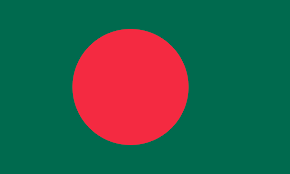
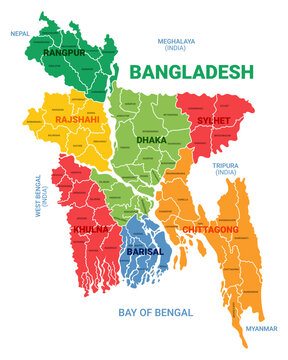
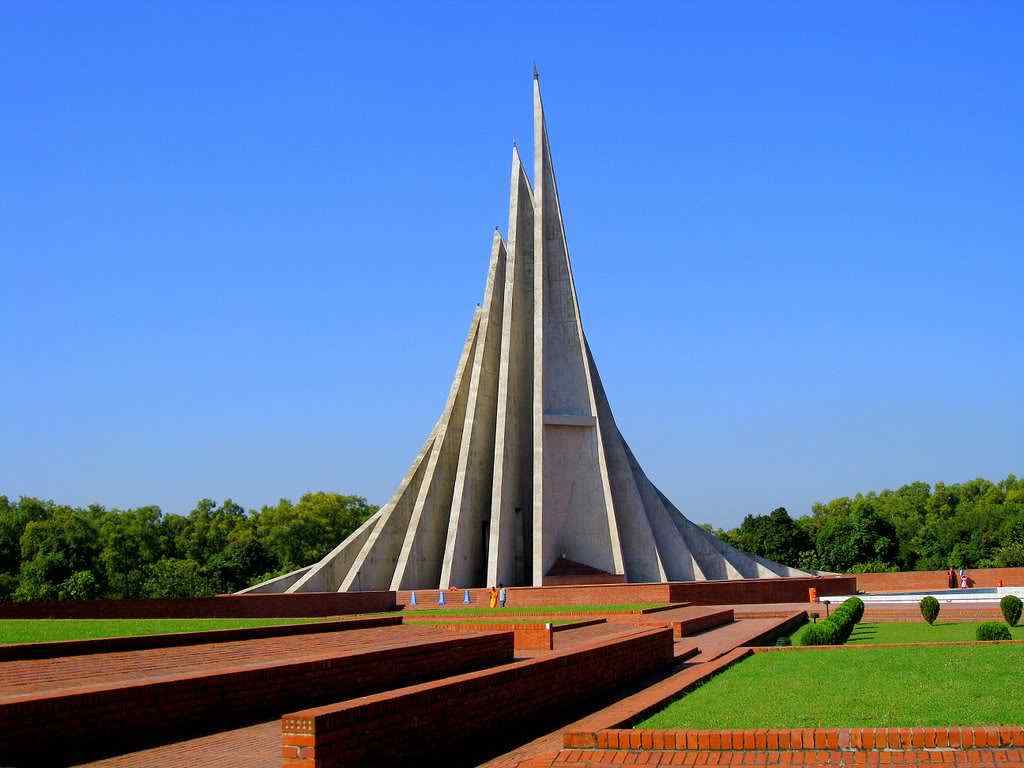
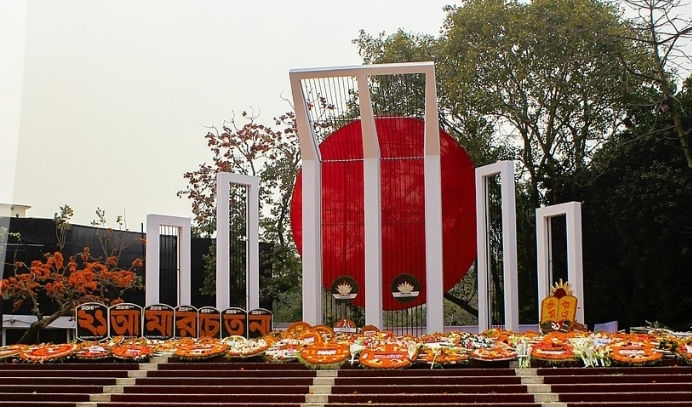
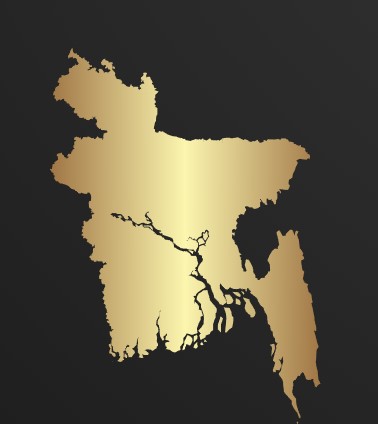
Present-day Bangladesh came out as a sovereign country in 1971 after breaking away and gaining independence from Pakistan. Bangladesh has rich history which dates back to thousands of years. Bangladesh may only have existed as an independent state for 30 years but its cultural and linguistic roots go deep. The Bangla language (the term Bengali was just a British colonial rendering of this) was distinct by the 7th century and literature written in it was emerging by the 11th century.
The culture of Bangladesh is intertwined with the culture of the Bengal Region of the Indian Subcontinent. It has evolved over the centuries and encompasses the cultural diversity of several social groups of Bangladesh. The Bengal Renaissanceof the 18th early 19th centuries, noted Bengali writers, saints, authors, scientists, researchers, thinkers, music composers, painters, film-makers have played a significant role in the development of Bengaliculture.
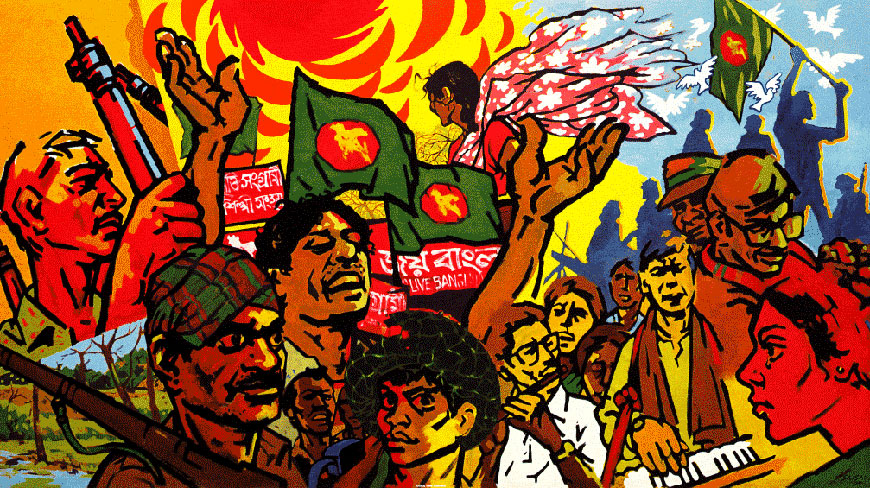
The Bangladesh Liberation War[note 2] (Bengali: মুক্তিযুদ্ধ, pronounced [mukt̪iɟud̪d̪ʱo], also known as the Bangladesh War of Independence, or simply the Liberation War in Bangladesh) was a revolution and armed conflict sparked by the rise of the Bengali nationalist and self-determination movement in East Pakistan, which resulted in the independence of Bangladesh. The war began when the Pakistani military junta based in West Pakistan—under the orders of Yahya Khan—launched Operation Searchlight against the people of East Pakistan on the night of 25 March 1971, initiating the Bangladesh genocide.
The Calgary area was inhabited by pre-Clovis people whose presence traces back at least 11,000 years. The area has been inhabited by the multiple First Nations, the Niitsitapi (Blackfoot Confederacy; Siksika, Kainai, Piikani), îyârhe Nakoda, the Tsuutʼina peoples and Métis Nation, Region. As Mayor Naheed Nenshi said in 2018, “There have always been people here. From old days. For generations beyond number, people have come here to this land, drawn here by the water. They come here to hunt and fish; to trade; to live; to love; to have great victories; to taste bitter disappointment; but above all to engage in that very human act of building community.”
Calgary is a city in the Canadian province of Alberta. It is the largest city in Alberta and the largest metro area within the three Prairie Provinces region. As of 2021, the city proper had a population of 1,306,784 and a metropolitan population of 1,481,806, making it the third-largest city and fifth-largest metropolitan area in Canada.
Calgary is situated at the confluence of the Bow River and the Elbow River in the southwest of the province, in the transitional area between the Rocky Mountain Foothills and the Canadian Prairies, about 80 km (50 mi) east of the front ranges of the Canadian Rockies, roughly 299 km (186 mi) south of the provincial capital of Edmonton and approximately 240 km (150 mi) north of the Canada–United States border. The city anchors the south end of the Statistics Canada-defined urban area, the Calgary–Edmonton Corridor.